Pilgrimage travel in India rarely follows a perfect plan. Even when dates and destinations are decided early, small adjustments tend to appear along the way. Changes in weather, crowd levels, or personal comfort often shape how the journey actually unfolds. For many travellers, a manageable pace matters more than covering every location.
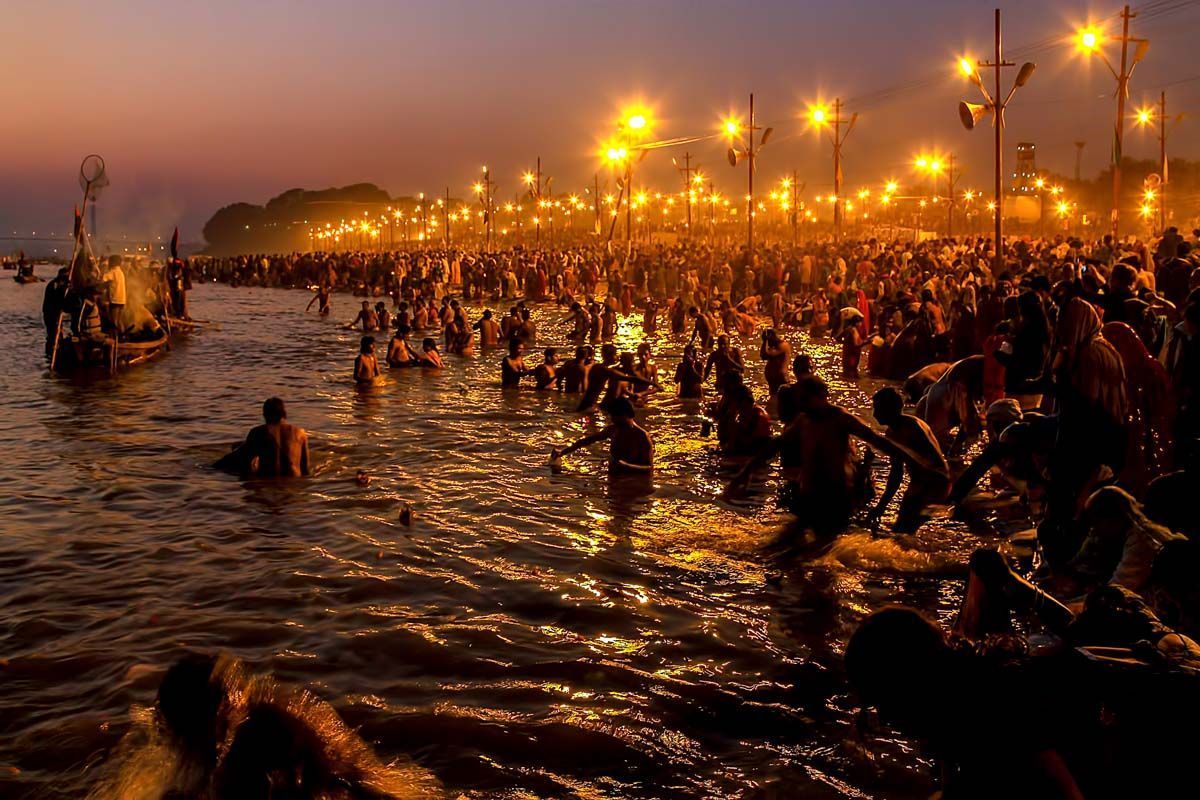
Some travelers prefer organized arrangements because they remove repeated decision-making. Guided Religious Tours India are usually structured around commonly followed temple routes and known visiting hours. This approach reduces uncertainty during travel days and allows pilgrims to focus on the purpose of the visit rather than on daily coordination.
Preparation for a pilgrimage is often practical rather than symbolic. Early morning starts, extended walking, and time spent standing in queues affect physical comfort. Travellers who account for these factors in advance are generally well prepared for the needs of the journey. Certain spiritual routes involve visiting multiple destinations in sequence. Shirdi Nashik Spiritual Tours typically require attention to travel distances, road conditions, and temple schedules. When the order of visits is planned with realistic time gaps, the journey feels less rushed and more balanced.
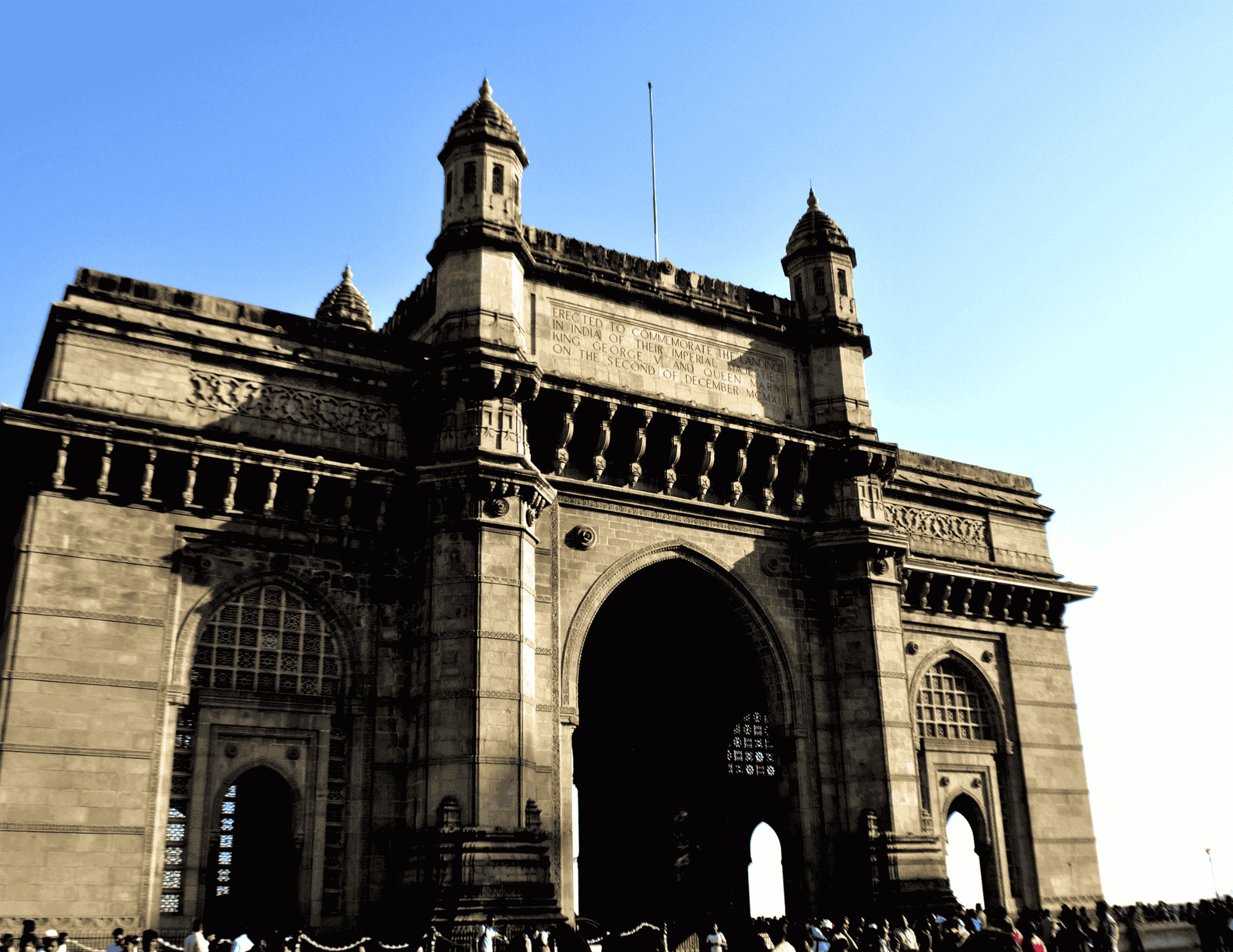
Accommodation choices quietly influence the overall experience. Staying closer to temple areas reduces repeated travel and helps pilgrims rest between visits. Simple routines, such as regular meals and short breaks, support energy levels during longer days.
Group travel introduces a different rhythm. Individual preferences must adapt to shared movement, which requires patience and flexibility. Group Pilgrimage Tours India are often planned with steady pacing and fewer daily transitions, making them suitable for families and older travelers.
Seasonal timing is another factor that shapes the journey. Festival periods may attract large crowds, which can raise waiting times and limit accommodation availability. Travelling outside peak dates often allows a calm experience, with more predictable movement and fewer delays.
Transport conditions can vary between regions. Traffic flow, road quality, and local conditions may influence travel time more than distance alone. Allowing buffer time between locations helps prevent fatigue and unnecessary pressure during the journey. Pilgrimage travel also involves moments of waiting. Queues, security checks, and scheduled entry slots are so common. Accepting these pauses as part of the process often makes the experience feel less stressful.
Most pilgrimage journeys have become meaningful when practical concerns fade into the background. When planning is quiet and expectations are realistic, attention naturally shifts toward reflection rather than logistics. In such moments, the journey feels complete, regardless of how many places are visited.
For more information, you can visit our website https://myyatra360.com/ or call us at +1 (469) 416-5333


No comments:
Post a Comment